The Hidden Cost of Moving to Texas That Catches Buyers Off Guard
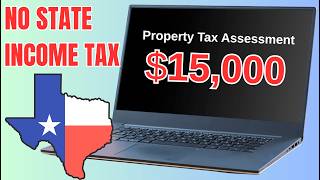
Moving to Texas does not automatically mean you will save money. While there is no state income tax, many people end up paying more month to month because of property taxes. If you buy in the wrong area, especially around fast growing suburbs near Austin, those taxes can erase most or all of your income tax savings.
Texas funds schools, roads, and services primarily through property taxes, not income tax. Most tax rates fall between about 2 and 2.7 percent, but some neighborhoods push well over 3 percent once you add MUD or PID assessments. Unlike states where taxes are capped at purchase price, Texas reassesses values regularly. As your home value rises, so does your tax bill. That surprise hits hard for people on fixed incomes, retirees, and even young buyers stretching into their first home.
I see this most often in new construction and master planned communities around places like Dripping Springs, Kyle, and the edges of Austin. Buyers focus on the price and forget to ask about the tax rate, special districts, and long-term increases. Two identical homes can have payments hundreds of dollars apart simply due to taxes.
The smart move is planning beyond the purchase. Ask for the full tax rate, not last year’s bill. Confirm whether the property is in a MUD or PID. Understand homestead, over 65, and veteran exemptions. Most importantly, compare what your monthly payment buys you in different areas, not just in one neighborhood. Texas can be a great financial move, but only if you understand the full picture upfront.
If you want help running real numbers before you buy, you can find more at https://chrispesek.com or reach me at chris@drippingspringshometeam.com or 512-736-1703. Chris Pesek is a Texas Hill Country Realtor specializing in land, acreage, and custom homes. 383+ sales. Top 2 Percent Producer. 63 five-star reviews. Dripping Springs, Austin, Texas Hill Country, Wimberley, Blanco, Johnson City.